Antelope Valley

According to LA.STREETSBLOG.ORG, September 20, 2010, it's worthwhile to check in on one of the few new highway projects in Southern California, the High Desert Corridor project. So what is the High Desert Corridor? Caltrans refers to the project as "multi-modal" because it will help move cars and trucks. The High Desert Corridor will accommodate an expected three to six fold increase in track between the Antelope and Victor Valley. The HDC will construct a new 50-mile east-west freeway/expressway and possible truck toll facility between Los Angeles and San Bernardino counties. The east-west segment would be an eight-lane freeway [including a High Occupancy Vehicle lane in each direction] from SR-14 past the Palmdale Airport to 50th St East along an alignment paralleling P-8 in Palmdale; a six-lane freeway/expressway from 50th St East to 240th St East past the planned Southern California Logistics Airport to I-15. While there's little written on this project compared to many of the other Measure R Highway Projects; it could have a gigantic impact on the way in which the region grows. Consider that the mammoth widening of the I-405 occurring in West Los Angeles will add 25% car capacity to the road, but this project will add between 300%-600% along a 50 mile stretch. Thus far, there's little vocal opposition to the project, while support comes in from as far away as Las Vegas. While Metro is optimistically broadcasting a 2020 completion date for the project, the hearings being held this month are just the beginning of the environmental process.
According to TradingMarkets.com, April 28, 2010, Macy's, Inc. has announced it will open a Macy's store in Palmdale, Calif. in the fall of 2010. The one-level, 110,000-square-foot Macy's in the Antelope Valley Mall will be in a former Gottschalk's location. In Palmdale, Macy's said that it will offer a full range of apparel and accessories for women, men and children, as well as housewares, home textiles and luggage. The store will employ approximately 130 associates. "We are looking forward to serving this fast-growing area of northern Los Angeles County with the distinctive fashion, obvious value and exciting shopping experience for which Macy's is known," said Ron Klein, Macy's chief stores officer. "This will be Macy's first presence in the Antelope Valley, and we will tailor our offering to meet the unique needs of the customers who live and work there. We expect to be active members of the community."
According to the Antelope Valley Press, October 11, 2008, the Palmdale’s official application for certification for a 570-megawatt hybrid power plant to the California Energy Commission was deemed "data adequate" by the commission Wednesday, starting a review period of roughly one year for the city's request for a permit to build the $1 billion facility.
The city is seeking to build the plant adjacent to Air Force Plant 42. Once the energy commission approves the project; it will take 27 to 30 months to construct. The company anticipates the plant will begin providing power in summer 2012. The plant is proposed for 300 acres south of Columbia Way (Avenue M) and east of Sierra Highway, adjoining Air Force Plant 42. The site is part of 615 acres. The plant is intended to provide lower-cost power to major Antelope Valley employers such as Lockheed Martin and Northrop Grumman, which are at a disadvantage in competing with plants in other states where electricity prices are lower than in California.” This is more good news and the next step toward our goal of building a much-needed power plant here in the Antelope Valley," City Manager Steve Williams said.
"The demand for electricity will only continue to rise in the years ahead, and we look forward to meeting that demand with our hybrid power plant.” The plant will have two gas turbines, essentially giant jet engines that will create heat of 1,100 degrees Fahrenheit, which will be used to turn water into steam. The plant is called a "hybrid" because it will have 250 acres devoted to a solar energy operation that will use rows of curved mirrors that track the sun to create steam to power a turbine.” This power plant will make the Antelope Valley more competitive and attractive to business and industry."

According to the Antelope Valley Press, September 24, 2008, the Lancaster City Council approved a specific plan detailing development plans for the city's downtown. The plan will govern the development of 140 acres bounded generally by Kettering Street on the north, 10th Street West on the west and the Union Pacific Railroad tracks on the east.
Between 10th Street West and Date Avenue, Milling Street is the southern boundary, while New Highway. The overall plan area includes seven smaller planning districts, notably:
The Boulevard District, intended to feature a variety of entertainment, retail, service and residential venues in old and new buildings on both sides of Lancaster Boulevard between Date and Fern Avenues.
The Cedar Avenue Arts District, intended to feature pedestrian walkways and public areas amid old and new buildings that house a community theater; artists lofts, studios and manufacturing outlets, and retail outlets and offices in an area bounded by Lancaster Boulevard, Beech and Date avenues and Milling Street.
The Commerce District, intended to feature financial services, professional offices and retail and residential units in an area along both sides of Lancaster Boulevard between Fern and Genoa avenues and extending north to Kettering Street.
The Civic Village District, intended to feature a public park, schools, and single- and multi-family residential units in the area bounded by Lancaster Boulevard, Kettering Street, Sierra Highway and Fern Avenue.
The Neighborhood Office District, intended to feature detached homes and small offices in converted homes and other buildings that would provide a transition between downtown and existing residences on the south side of the specific-plan area.
The Transit District, intended to feature pedestrian walkways that connect the Metrolink train station on the east side of Sierra Highway with high-density residential, mixed-use commercial and public parking on the west side of Sierra Highway between Lancaster Boulevard, Beech Avenue and Milling Street.
The Gateway District, intended to feature office and retail outlets in the area where Lancaster Boulevard carries traffic into downtown from residential areas west of 10th Street West.
According to a draft summary in the specific plan, the area currently includes 640,020 square feet of office and public facility space, 475,879 square feet of retail and service space and 252 single- and multi-family living units.
By 2030, the area is expected to include 973,956 square feet of office and public-facility space, 924,848 square feet of retail and service space and 3,525 single- and multi-family living units. City officials hope to turn the downtown area into an attractive environment that draws residents to the central core of the city.
According to the Antelope Valley Press, April 24, 2008, Palmdale's east side is seeing a major influx of retail development with work on the Park Plaza center wrapping up the massive 47th Street Pavilion, and a neighborhood shopping center in the works for Avenue S and 40th Street East.
One of the region's most anticipated developments is the 523,000-square-foot 47th Street Pavilion shopping center, which will feature a SuperTarget store and a Home Depot. The Home Depot is tentatively slated to open June 5; Target is scheduled to open July 27, said Mark McGaughey, first vice president of CB Richard Ellis, the leasing agent for the center.
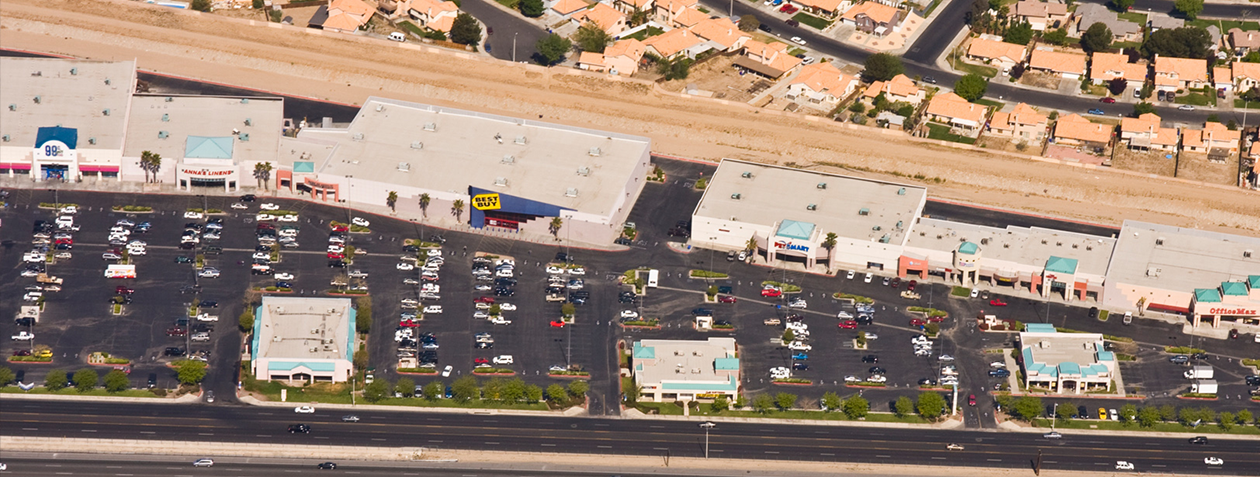
Staples, a Ross Dress for Less, a PetSmart, Bath and Body Works, Famous Footwear and Cold Stone Creamery are among the stores planned for the center.” By Christmas, the lion's share of the center will be open for business," McGaughey said the center will not only serve eastside Palmdale residents, but also will draw as many as 20,000 other shoppers from communities outside city limits, such as Lake Los Angeles.” The east side has been a stepchild," McGaughey said. "Hopefully this will foster more development."
"First of all, we've (had) no real shopping out here," Dino said. "I'm just elated developers have finally realized there is a need for shopping here. I think it'll be very successful.” Also on the horizon is a 12-acre neighborhood shopping center at Avenue S and 40th Street East, catty-cornered from the city's Dry Town Water Park. Plans for the center call for a Fresh & Easy market, a 24-Hour Fitness center, and a Longs Drugs.
The Antelope Valley expands over two counties, Los Angeles and Kern. The Antelope Valley offers affordable housing within a reasonable drive from Los Angeles and other metropolitan areas, making it an affordable option for those that get priced out of the expensive housing markets of Los Angeles, San Diego and Orange Counties. The Antelope Valley consists primarily of the cities/communities of Palmdale, Lancaster, Rosamond, Mojave, California City and Ridgecrest. National homebuilders have built huge housing developments in this area, which have contributed to the Antelope Valley being one of the strongest housing markets in the nation. Because of all the billion dollar aerospace companies in this region, the Antelope Valley has been called "Aerospace Valley." The Space Shuttle was
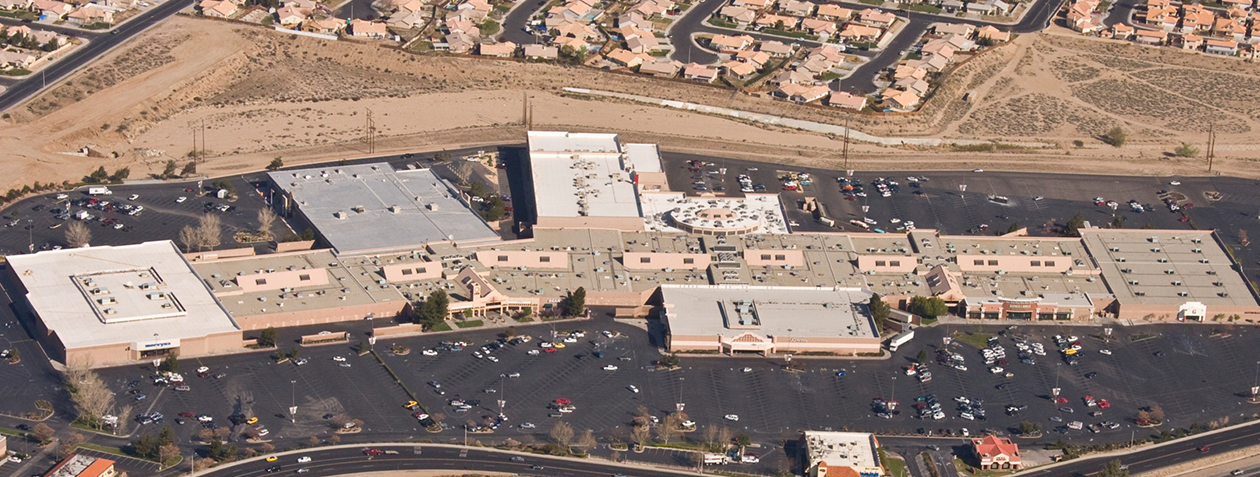
built in Palmdale, and has landed at Edward's Air Force Base. Lockheed-Martin, Northrop-Grumman, Rockwell and BAE Systems continue to win huge government defense contracts, which translate into jobs, housing and retail sales. The current population of the Antelope Valley has already swelled to over 446,000 residents with no slow down in sight. This population surge has brought many large shopping malls to the region that anchors national department stores. For example, the Antelope Valley Mall is home to Dillards, Harris Gottchalks, JC Penny, Mervyn's, Sears, and many other national retail chains. Across the street is the Palmdale Promenade that is home to Wal-Mart and Home Depot.
According to the Antelope Valley Board of Trade Report in February 2007, the Antelope Valley population is projected to increase from 446,686 to 485,686 between 2006 and 2011.
Rosamond is located 11 miles north of Lancaster in Kern County, just north of Ave A, the Los Angeles-Kern County border. It is a community with some impressive residential and commercial developments. The Town of Rosamond experiences all 4 seasons.

High profile homebuilders, such as Barratt Homes and Kaufman & Broad, have built impressive homes in Rosamond. Kaufman & Broad developed Westpark, which is a master planned community of about 600 homes on 7000 square foot lots. Westpark has a junior high school and a park, and is located on 40th St West; south of Rosamond Blvd. Homes in Westpark sell in the $200,000 range.
Rosamond also has the Tropico housing development and custom homes in the central area of town; west of town, and estate sized country homes on large acreage parcels. Skypark is one of the most interesting housing developments in Rosamond. Rosamond Skypark was developed in 1986 as a fly-in community with upscale homes on half-acre lots, featuring backyard airplane hangars and taxiway connections to the Rosamond Airport. Homes in Skypark sell for about $500,000. Rosamond Airport has a surfaced 3,600-foot runway with a self-service gas station for airplanes.
Rosamond is often referred to as the Gateway to Edward's Air Force Base. This close proximity to Edward’s has resulted in some service men living off base in Rosamond. This has generated new housing construction. Edward’s hosts an annual Air Show that attracts about 200,000 to 300,000 people annually. During the base closures of the 1990's, Edward’s Air Force Base actually grew in population from absorbing other base closures. Edward’s Air Force Base has an approximate civilian and military daytime work force of 20,600 that has a combined annual payroll of about $500 million, making it one of the largest employers in the High Desert. Due to its enormous 530 square mile size, location, weather (360 flying days per year), and accessibility to aerospace contractors (in Palmdale), EAFB is a vital link in the testing of the nation's next generation of aircraft and weapon systems. The Jet Propulsion Lab, now called the Astronautics Lab, is located in the southeastern corner of EAFB. Edward's Air Force Base is where the Space Shuttle has been launched, and the home of NASA and a myriad of private companies and industries. Edward’s encompasses portions of San Bernardino, Los Angeles and Kern Counties. No doubt that the proximity of Rosamond to such a Goliath as Edward’s Air Force Base could only help the growth of this town in the 21st Century.
There are currently four schools in the Rosamond area that include 2 elementary schools, one middle school and one high school. Rosamond takes great pride in its Rosamond High School that is a modern School that can boast about having a first rate athletic field. These schools in the Rosamond area are part of the Southern Kern Unified School District. Rosamond’s College Students can attend the Antelope Valley College that is located about 11 miles away in Lancaster, and now provides some 4-year courses of study through Cal State University Bakersfield. The Antelope Valley College has a student enrollment of over 12,000. These schools can be a catalyst for new home construction for many families that are
interested in locating in the Rosamond area. Rosamond has two public parks, one with a pool, and another that provides fields for sports activities. The parks include play equipment for children and picnic areas. The Rosamond Library shown above is also important for new families with school age children.
Rosamond is also famous for its Willow Springs International Raceway that is located to the north of Rosamond Blvd on Raceway Lane that is located
between 70th St. West and 80th St. West. It holds all types of races, including various types of stock cars; formula cars and can attract about 25,000 people in a weekend. The Raceway has four tracks that would permit 4 different events to occur at the same time.
The Antelope Valley East Kern Water Agency (AVEK) gets its water from the California Aqueduct. The California Aqueduct was built at a cost of $3.7 billion. The Aqueduct provides supplemental water to approximately 20 million Californians and about 660,000 acres of irrigated farmland, according to the California Department of Water Resources. Twenty-two State Water Projects (SWP) dams and reservoirs are used to capture and store run-off from Northern California Mountains and Valleys. The bulk of the water imported by AVEK is treated and distributed to customers throughout its service area through the Domestic-Agricultural Water Network (DAWN) Project facilities. A $71 million bond issue has been completely repaid, which financed the development of the DAWN Project. The Dawn Project consists of more than 100 miles of water distribution pipelines; four Water Treatment Plants; and four 8 million gallon water storage reservoirs near Rosamond and Mojave. According to the Antelope Valley-East Kern Water Agency Website, the Rosamond Water Treatment Plant was established to support the needs of consumers in southeastern Kern County, an area that includes Rosamond and Mojave.
According to the MSNBC News, December 7, 2009, tonight's Hollywood-style debut of the world's first commercial suborbital spaceship was a spine-tingling affair - and not just because of the historic occasion, the appearance by a movie star turned governor, or the ice-cold vodka served afterward. It was cold out here in California's Mojave Desert.
Virgin Galactic's unveiling of the SpaceShipTwo rocket plane drew hundreds of paying space tourists and travel agents, rocket geeks and glitterati to the Mojave Air and Space Port. For a while, it looked as if stormy skies and brisk winds would force a change in Virgin billionaire founder Richard Branson's plans for an after-dark, outdoor debut, SpaceShipTwo has been under development for years in a Mojave hangar at Scaled Composites - the company that built the craft's predecessor, SpaceShipOne, to win a $10 million prize for private spaceflight five years ago.
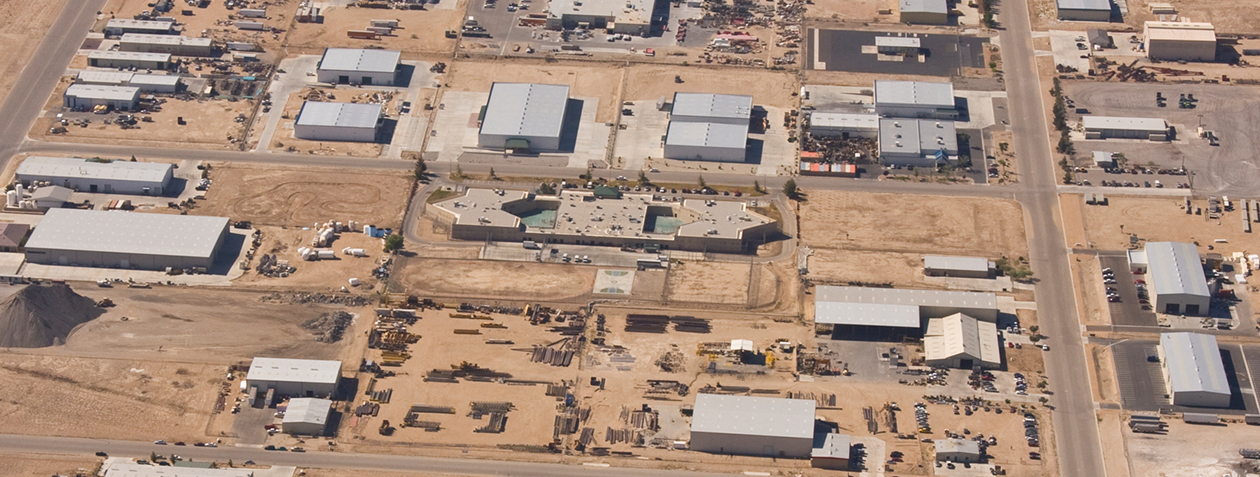
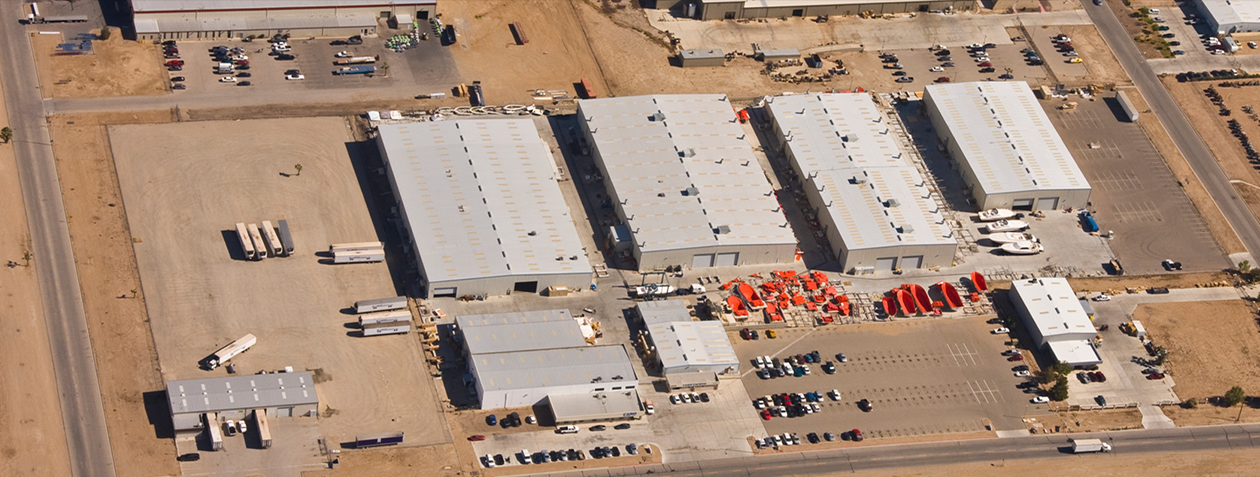
Mojave is located about 13 miles to the north of Rosamond and 24 miles to the north of Lancaster. It is situated at the junction of California Highways 14 and 58 that already have a large traffic count. Mojave is considered a gateway to the fertile San Joaquin Valley, the popular ski resorts of Mammoth, the Eastern Sierras, Las Vegas and the Los Angeles Basin. Mojave is also home to the Mojave Airport. The Mojave Airport is home to 140 companies that employ over 1300 people, making it one of southeastern Kern County’s largest employment centers. The Mojave Airport offers cutting edge aviation, high-tech manufacturing and light industrial enterprises at one of Southern California's best transportation hubs. Mojave is well located for industry, offering both the Burlington Northern Santa Fe Railway and the Union Pacific Railway that serve the rail transportation requirements of companies and mining operations located in the Mojave area.
Avtel Services, Inc. - Scaled Composites
- Mojo Jets
- National Test Pilot School
- Flight Research
- XCOR
- Progress Rail Services
- HPE Flight Control Systems
- HPE High Plains Engineering
- Derringer Aircraft Company
- Mercy Air
- Scroggins Aviation
- Interorbital Space Systems
- Translunar Research
- Fiberset
- ASB Avionics
- Tellair International
- Space Launch Corporation
- Pocket Rocket Society
- Derringer Aircraft Company
- EVA
- Mellor Printing
- BAE Systems
The city of Ridgecrest is in the Kern County portion of the Antelope Valley, and has a population of about 27,000 residents. It encompasses about 21 square miles. It is situated about 40 miles north of California City, about 80 miles north of Lancaster, and about 125 miles northeast of Bakersfield. Traveling to all of these nearby urban centers from Ridgecrest is easy, because of the proximity of U.S. Highway 395, Highway 178 and the 14 Freeway.
The Inyokern Airport serves Ridgecrest, and lies about 8 miles to the west. In a strong indication of the city’s residential growth in recent years, Home Depot arrived in late 2003. Other major retail companies are keeping a close eye on Ridgecrest, and the city’s industrial base continues to expand. Also opening is a new business and technology park to accommodate the city’s growing number of locally grown businesses and defense contractors. The China Lake Naval Air Weapons Division at China Lake further serves Ridgecrest with a large number of armed service personnel who contribute to the consumer base of the city. China Lake is also important to the country’s national defense.

The city of Ridgecrest can also take pride in its Ridgecrest Regional Hospital that is a state of the art hospital with plans for major expansion, which include a new cafeteria, a new entrance and lobby, a new Outpatient Services Center, and a 3-story tower that will contain a new surgery suite, ICU/CCU, inpatient beds, and pediatric beds.
Government Regulations
The answer is prohibitive government regulations and expensive land costs in the larger cities are pushing companies and new residents to the Eastern Kern County region of the Antelope Valley.
In Los Angeles, Orange and San Diego Counties, businesses have to deal with all the requirements of the South Coast Air Quality Management Agency (SCAQMD) and other agencies, where it could take up to 2 years to get a permit to begin development. In Eastern Kern County, businesses can expand with the friendly, cooperative Kern County Air Pollution Control District (APCD) and other government agencies that have a reputation for being very, very pro-business.
Affordable Land

In Los Angeles, San Diego and Orange Counties, undeveloped land parcels have become very expensive. On the other hand, the Antelope Valley communities of Eastern Kern County offer reasonably priced land in a dynamic growing region.