What is Land Banking?
The Best-Guarded Secret in the U.S.A. Revealed!
Land Banking is the practice of buying and holding pre-developed land in the path of growth. Historically, some of the largest fortunes have been made in Land Banking by Donald Trump, Bob Hope, Henry Segerstrom, Howard Hughes, Roy Sakioka and many others.
Some of our Success Stories
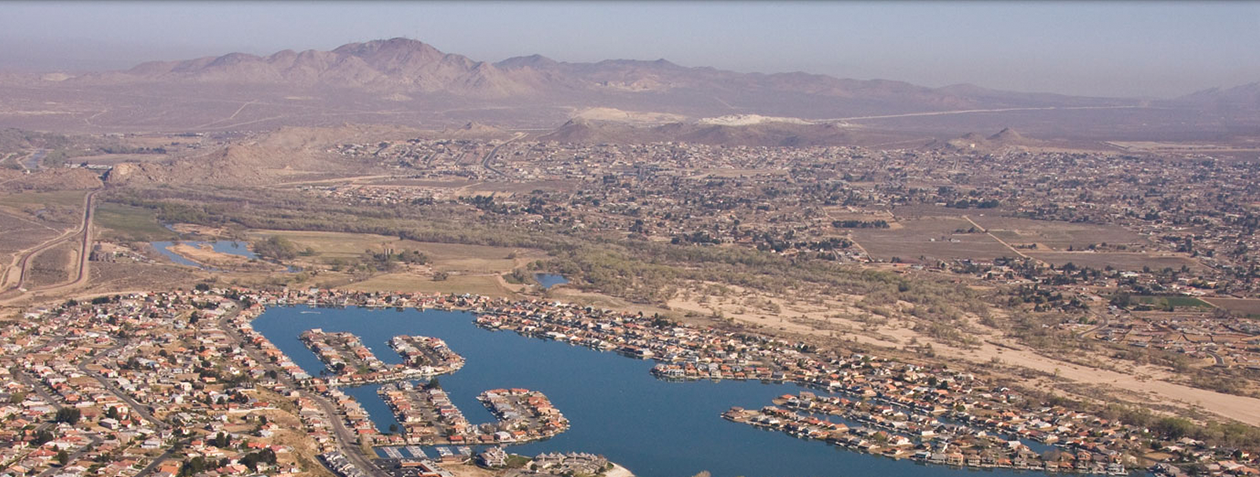
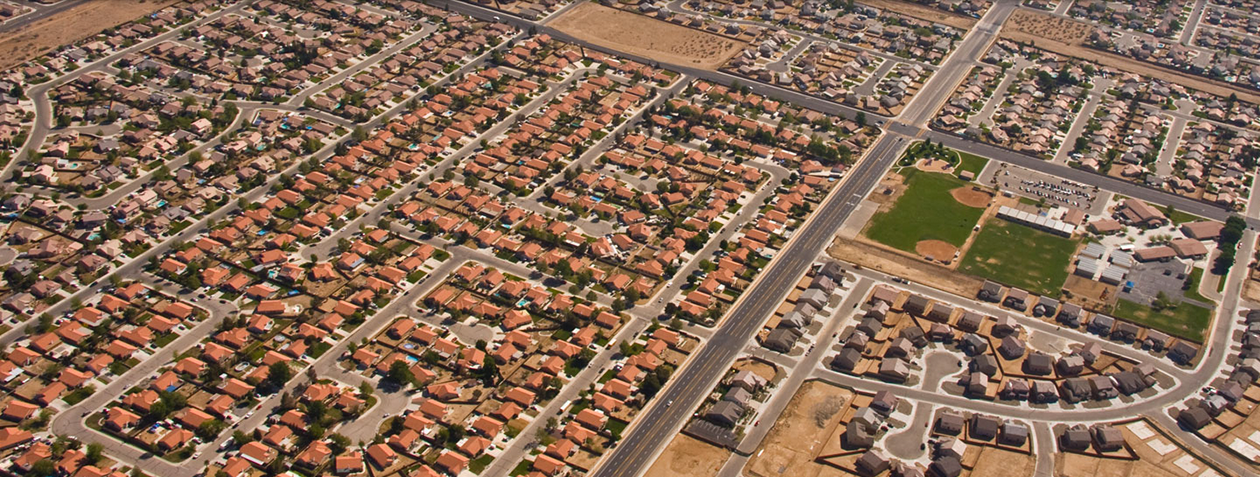
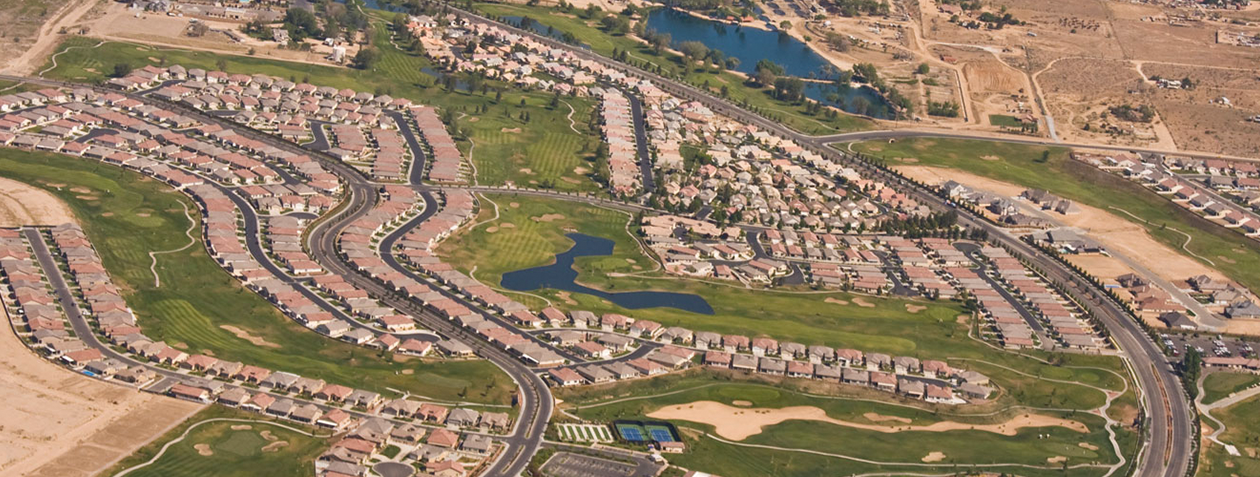
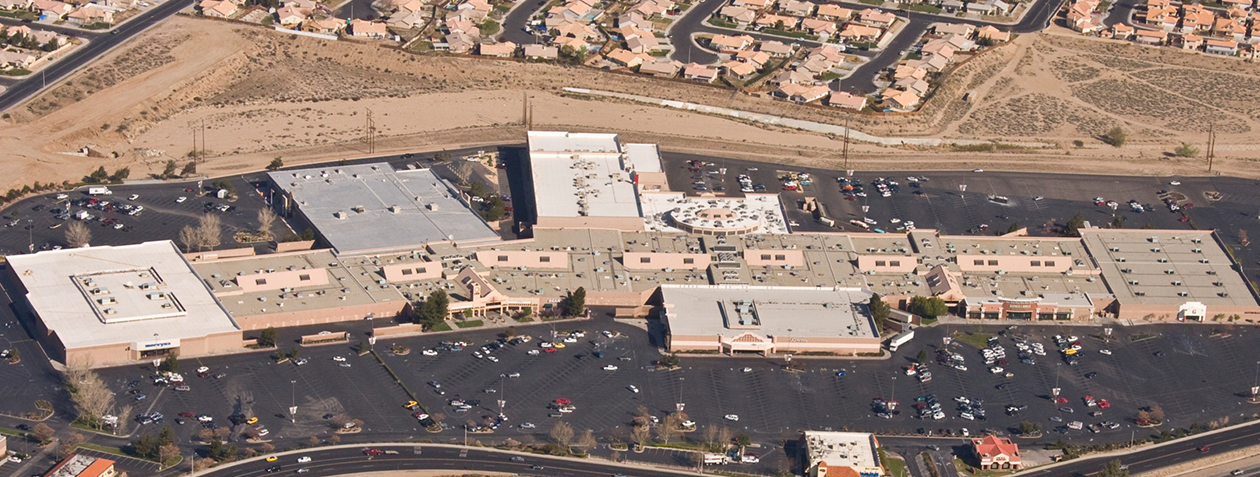
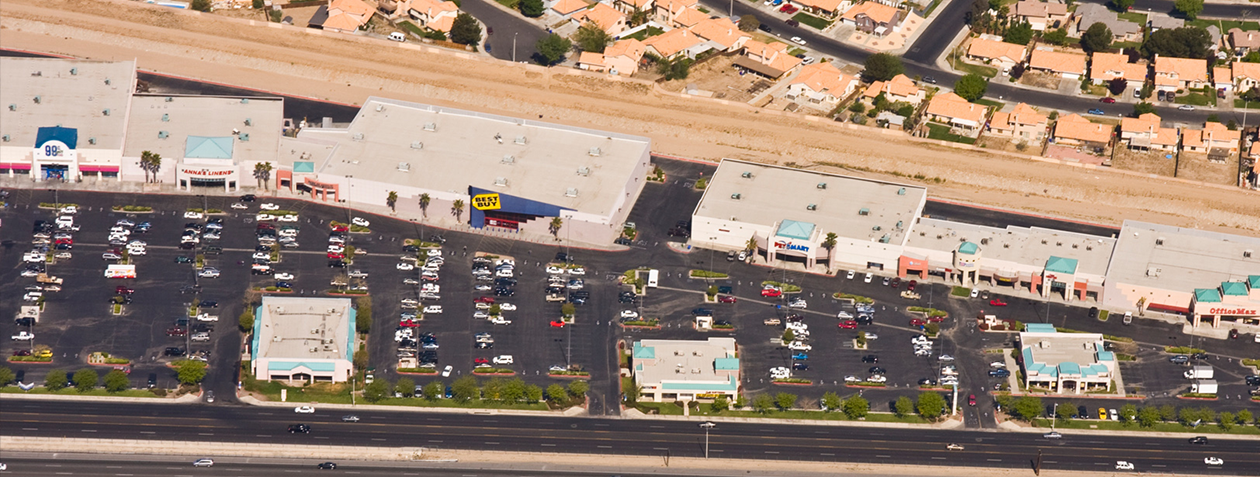
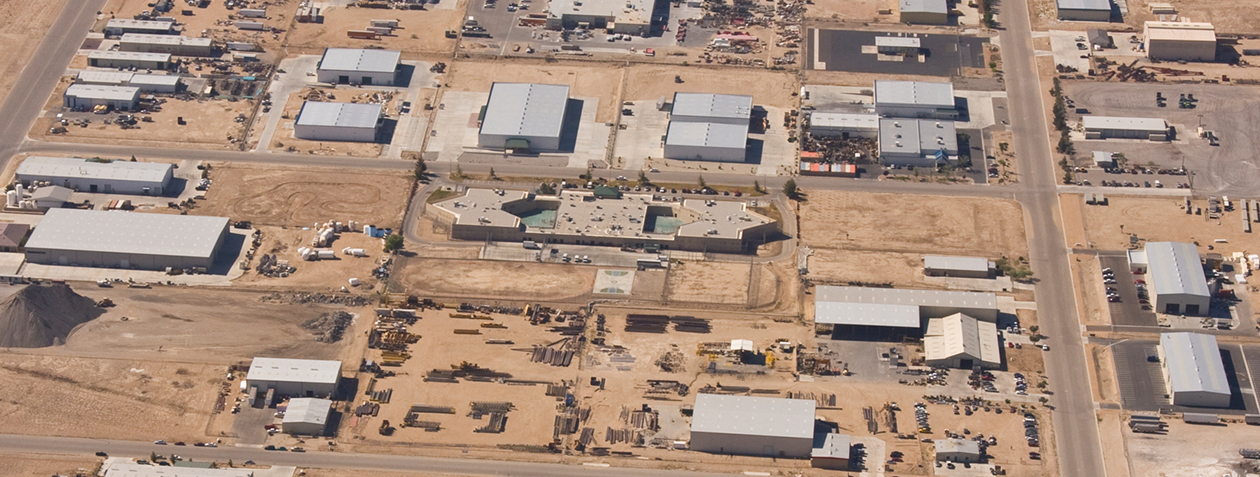
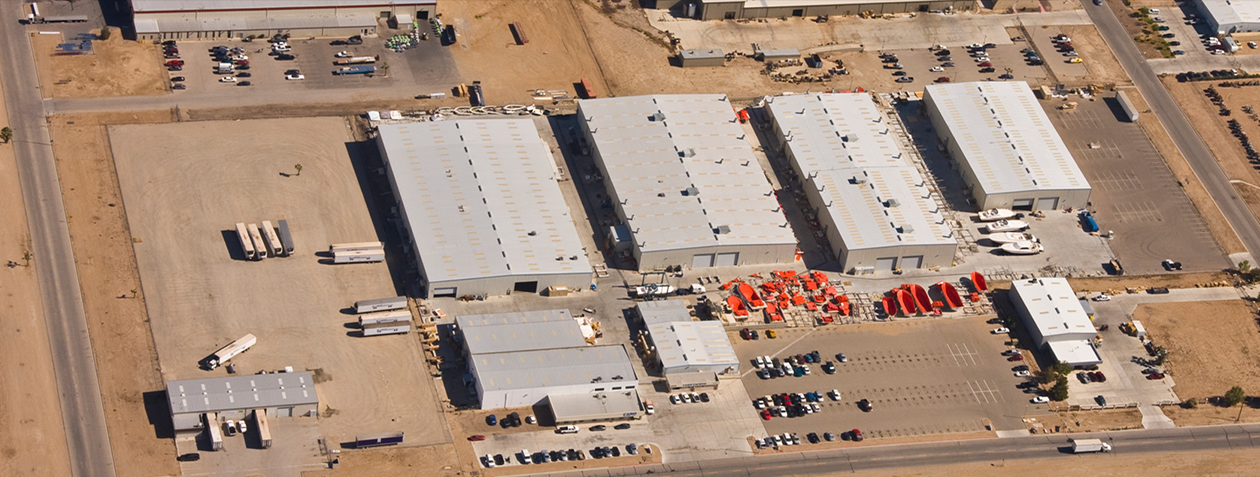
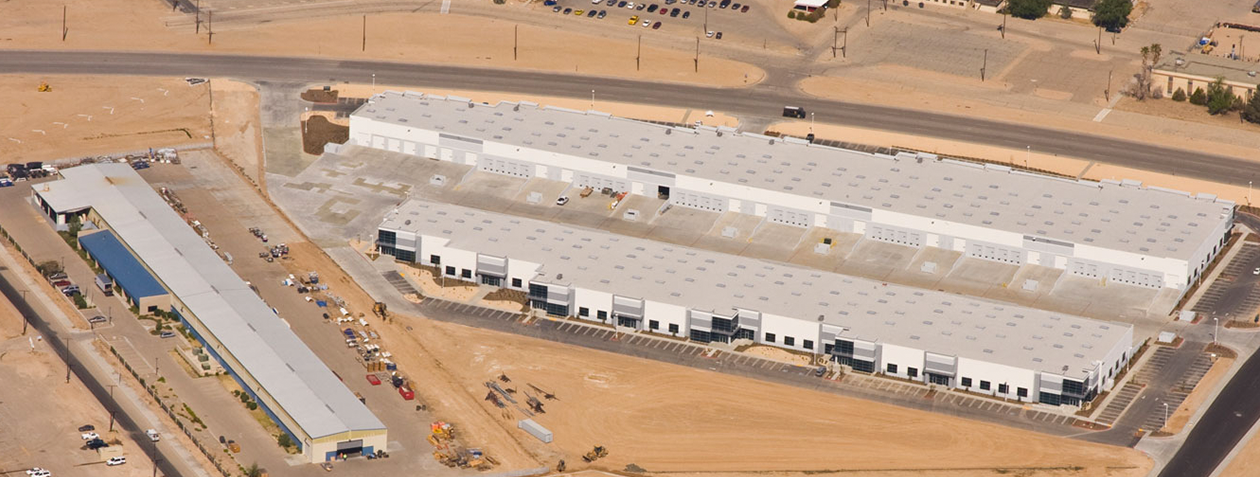
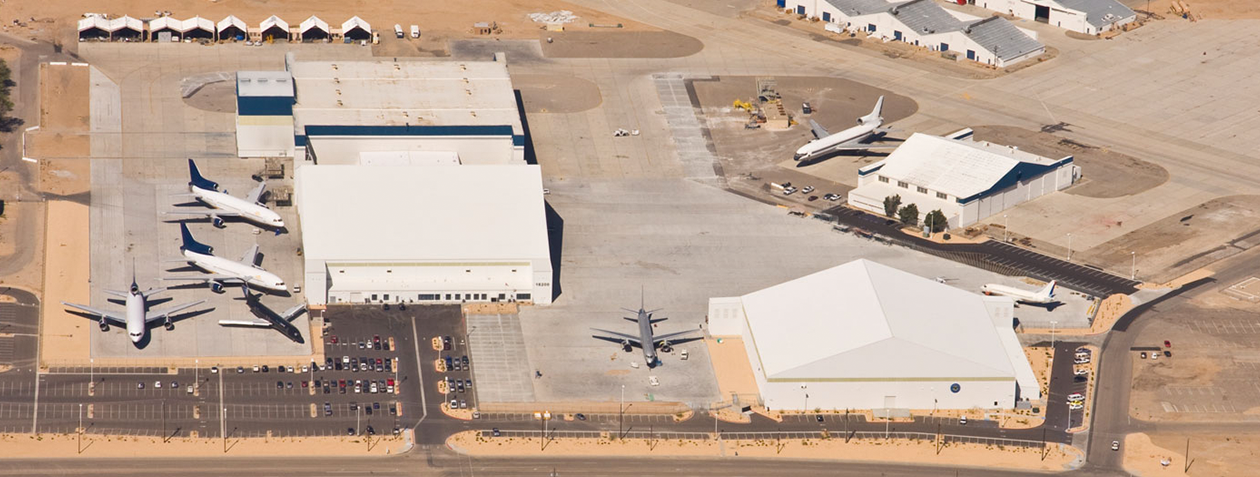
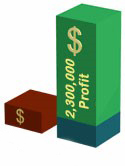
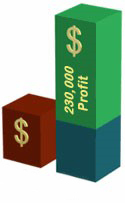
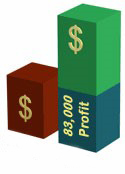
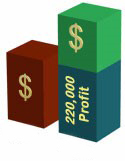
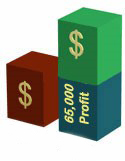
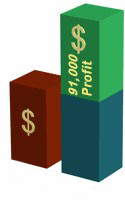
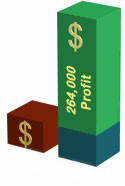
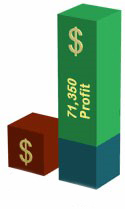
While we make no warranties or representations as to the investment merit, profit potential or future market value of any property, we are pleased to present the following success stories of our customers who purchased land from us in the Inland Empire in the thriving communities of Apple Valley, Hesperia, Victorville, Adelanto and Barstow:
Famous Land Bankers
 Historically, countless fortunes have been made in land banking by individuals who understood the concept of buying and holding pre-developed land in the path of growth. They did nothing more than buy and hold land in Southern California’s booming regions, in areas such as Los Angeles, San Diego and Orange Counties. While our Company makes no warranties or representations as to the investment merit or profit potential on any land parcel, we are pleased to present the following biographical sketches on Bob Hope, Howard Hughes, Henry Segerstrom and Roy Sakioka.
Bob Hope was a Serious Land Banker in Southern California
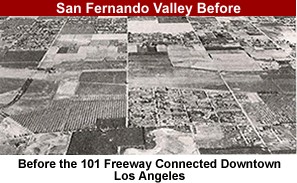
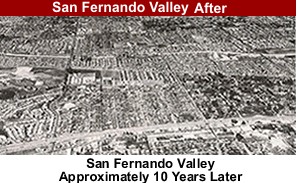
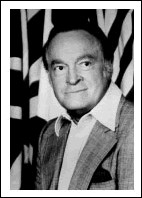 Bob Hope was a firm believer in land banking in Southern California. According to the Associated Press, Bob Hope became one of the wealthiest people the entertainment industry ever produced, investing his money in Southern California land when it was little more than orange groves and scrubland. At one point he owned at least 10,000 acres of land in the San Fernando Valley. Combined with other land holdings, this made him the largest private landowner in California.
Henry Segerstrom is a Land Banking Legend in Orange County
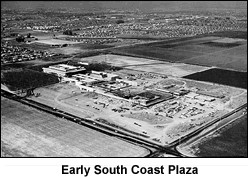 The Segerstrom’s family history in land banking in Orange County is a long one. Anton Segerstrom’s Great-Grandfather, Charles John Segerstrom, came to Orange County in 1898 to farm 20-acres of leased land. Over the years they expanded their land holdings, eventually owning two of the largest dairy farms in California.
Howard Hughes had Vision and Foresight in Land Banking
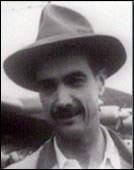 Howard Hughes was a visionary who bought and held land in Southern California and the Las Vegas Valley. He was a firm believer in land banking his properties. In Los Angeles, California, Howard Hughes is well known for Playa Vista – the 974-acre, former site of the Hughes Aircraft Company. This property extends from the Pacific Ocean to the San Diego Freeway, between Marina del Rey and Los Angeles International Airport.
Roy Sakioka Knew How to Land Bank in Orange County and Became One of the World’s Richest Men
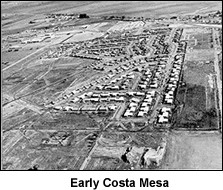 According to the Los Angeles Times, Roy Sakioka was a poor immigrant farmer who came to the U.S.A. from Japan with virtually no money. The youngest of six children–as well as the father of six children–Sakioka was born in a farming village on a small Japanese Island. In a rare interview with The Times, he credited his father with teaching him the value of real estate as a hedge against inflation.

The good news is that it’s not too late to get involved in Southern California land. History repeats itself in one area after the next in Southern California. We believe that the Inland Empire and the Antelope Valley have some of the best opportunities available today. Take your time and read through our website. You will be amazed at what you will learn. Please feel free to contact us by email with any questions you may have. There is absolutely no charge or obligation for this information. Don’t you owe it to yourself to learn more?